
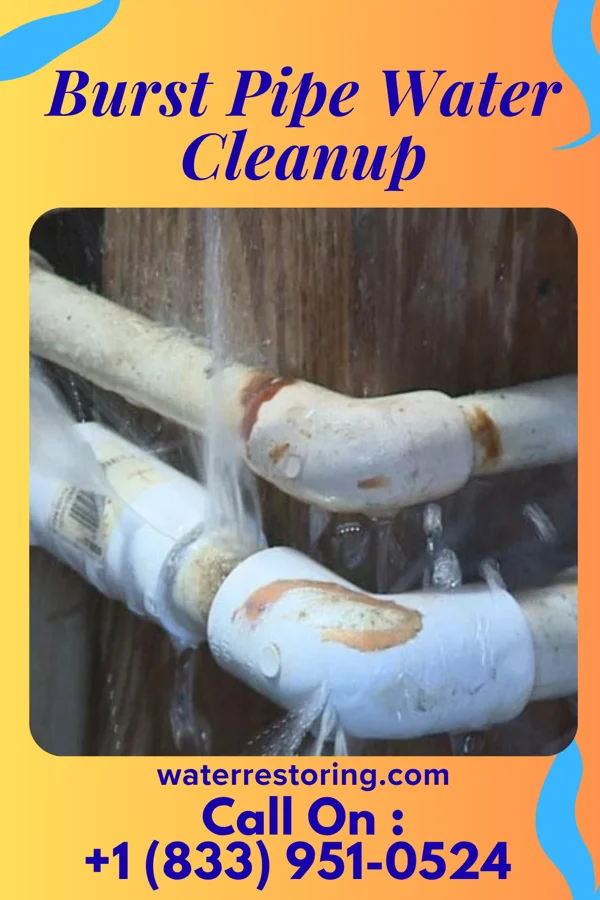
Why Burst Pipes Hit Britton Hard
The pattern in Britton is consistent. Britton, South Dakota, experiences frequent temperature fluctuations that can cause pipes to freeze and burst, especially during the harsh winter months. The rural setting and older infrastructure in areas like Langford and Claremont increase the likelihood of pipe failures due to aging systems and limited access to immediate repairs. drives most of the emergency restoration calls we get. A close second is The proximity to Havana, ND, and the surrounding agricultural communities means that water usage patterns can lead to pressure imbalances in shared water lines. Additionally, the presence of clay soil in the region can contribute to underground pipe corrosion and structural weaknesses over time..
Britton's climate, characterized by cold winters and unpredictable spring thaws, creates a high risk of burst pipes. The area's rural nature and reliance on older infrastructure make it particularly vulnerable to water damage events that can disrupt daily life and require immediate attention.
Britton's climate, characterized by cold winters and unpredictable spring thaws, creates a high risk of burst pipes. The area's rural nature and reliance on older infrastructure make it particularly vulnerable to water damage events that can disrupt daily life and require immediate attention. The dominant local driver is Britton, South Dakota, experiences frequent temperature fluctuations that can cause pipes to freeze and burst, especially during the harsh winter months. The rural setting and older infrastructure in areas like Langford and Claremont increase the likelihood of pipe failures due to aging systems and limited access to immediate repairs., with The proximity to Havana, ND, and the surrounding agricultural communities means that water usage patterns can lead to pressure imbalances in shared water lines. Additionally, the presence of clay soil in the region can contribute to underground pipe corrosion and structural weaknesses over time. showing up as the next most common cause. Damage builds in stages. Spread. Absorption. Microbial growth. Structural compromise. Every stage you pass through adds to the final bill.